Ragnarok Online private servers live or die on community momentum. You can boast custom content, tweaked drop rates, and a glossy website, yet if players log in to silence or a stale loop of dailies, they drift. The most successful servers I have worked with treat events like a heartbeat. Not an occasional giveaway, but a steady cadence that surfaces reasons to party, collaborate, theorycraft, and talk. Events shape culture. They make your world feel lived in.
What follows is a field guide to events that keep RO private server communities engaged over months rather than days. The ideas are practical, grounded in what repeatedly works, and tempered by the quirks of RO mechanics. Use them as a menu, not a prescription, then layer your server’s identity on top.
The principles behind good events
Events that stick tend to follow three rules. First, they respect time zones and play windows. If your server has clusters in Southeast Asia and North America, a single 8 p.m. GMT event misses half your audience. Either rotate times or build parallel brackets. Second, they don’t create permanent power gaps. The rewards feel special but do not lock future players into a lost race. Third, they compound social bonds. An event should give people a reason to meet, chat, and remember each other next week.
The last point is easy to miss. A well-coded PvE gauntlet can still feel empty if players run it alone and never speak. Build for interaction. Add shout-worthy moments, decisions that require votes or trades, and visible accomplishments that prompt “how did you do that?” in town.
Seasonal arcs, not one-off fireworks
One-time events can spike peak concurrent users, yet they rarely change retention. A seasonal arc, by contrast, creates an expectation and a narrative. Think in six to eight week chapters with a theme, a rotating set of activities, and a meta-goal that unlocks a serverwide cosmetic.
On a WoE-centric mid-rate server I consulted for, we ran a three-part “Guild Census” season. Week one focused on recruitment and leveling, week two on resource acquisition, week three on territory. Each week awarded points for varied activities that any guild rank could help with, not just high-level breakers. New players could gather herbs for guild points, run low-tier instance speed challenges, or scout MVP spawn windows. At the end of the season, every participant earned a commemorative aura with minor QoL bonuses, and top guilds received bragging-rights effects in Prontera for two weeks. The season averaged 18 percent higher daily active users and 12 percent more guild retention after four weeks.
The key was rhythm. Each week had two anchor events and three on-demand tasks. Players could plan, guild leaders could coordinate, and nobody felt punished for missing a day. If you have limited staff, pre-schedule three arcs a year, each supported by a lightweight toolkit of scripts and templates you can reuse.
Low-friction micro-events that feel personal
Not every event needs fanfare. In RO, five-minute micro-events can change the mood of an evening and, done regularly, become a signature.
One server I played on had a “Town Crier” GM appear at random hours and run a lightning round of riddles, emote duels, or item hunts that lasted fewer than ten minutes. The prizes were small, often consumables or a 30-minute buff. The important part was cadence. Players learned that if they lingered in town during off-peak hours, something might happen. It made the world feel alive.
If you lack staff, automate some micro-events through an in-town NPC. The NPC could host emote Simon Says, pull a random whisper trivia every hour, or offer a shared buff if enough players donate junk items within a window. Keep rewards tasteful, not meta-breaking. A 1 to 3 percent XP bonus or a 15-minute +1 ASPD buff is enough to make people smile without ruining balance.
Collaborative server goals that “flip switches”
Collective targets send a powerful signal: your presence matters. When hundreds of players see a progress bar tick up because they turned in another set of monster drops, they feel part of something larger.
I like to design server goals that unlock cosmetic changes. Examples that have worked:
- A community forge where players donate ores to “repair” a long-shut town gate. Hit the target and, for a week, a new merchant area opens with unique hairstyles and dyes. A restoration project where killing a specific family of monsters yields “essence” that slowly lights a crystal in main town. Once filled, the skybox color changes at night for a weekend, and everyone gets mail-tagged confetti and a track of festive BGM.
Technically, these are simple: count inputs, set thresholds, then toggle map flags or NPC shops. But the effect on the social fabric can be outsized. Players post progress screenshots, encourage newcomers to pitch in, and log in to see what changed. Just ensure the goal scales with population. A good rule is to target a number that a third of your daily average can reach within a week with casual play, then tune actual turn-ins to take 2 to 4 hours per player.
PvE gauntlets that reward knowledge, not just gear
RO leans heavily on stats and gear checks, which can make content feel binary. To keep PvE fresh, build events where knowledge outperforms raw power. A few reliable formats:
Elemental rotation arenas. Each wave applies an aura that modifies elements unpredictably. Players must swap weapons, armor cards, and skills on the fly to match multipliers. Keep base damage low so players who bring the right tool outperform those who bring a +10 everything. In testing, we saw average item level 70 characters beat 99s who ignored the rotation, which generated discussion rather than complaint.
Mechanic puzzles. RO has underused mechanics like knockback, line-of-sight, and status immunities. A boss that roots to heal unless interrupted by status X or a wave that requires luring mobs across a trap line forces coordination and role diversity. Publish hints days in advance so the theorycrafters can argue and teach.
Small-squad timed runs. Limit entries to four players, no class duplicates, and randomize one modifier per run such as “no potions” or “skill cooldowns +50 percent.” Reward clean play and communication. This format is excellent for streaming and VOD content, which helps marketing.
To manage balance, decouple event scores from raw DPS. Track success by objectives completed, damage taken, and avoidable mechanics failed. Then convert to points. Top teams can earn prestige cosmetics or a 7-day title, while all participants receive currency for a seasonal shop.
MVP bingo and spawn ecology
MVPs are the heartbeat for many RO veterans. They also cause conflict, toxicity, and botting if left unmanaged. An event can harness the thrill while softening the edges.
MVP bingo is a simple overlay. Publish a 5x5 card of MVP names at the start of the week. When a party kills an MVP, they can submit a screenshot via an NPC or web form to mark that square. Lines earn prizes, full cards unlock a title. Set rules that discourage grief: entries require at least three party members with varied IPs, kills must be within the event week, and the kill must include a timestamp overlay from an NPC or command.
To reduce spawn sniping, introduce “ecology shifts” during the event. For 48 hours, certain MVPs spawn within a level bracket of maps rather than fixed coordinates, signaled by ambient sound and a one-line broadcast like “The air chills, something ancient stirs near glacial flows.” It retains hunting excitement with reduced predictability. Pair this with a diminishing return on repeated kills for the same MVP to encourage variety.
The best part of MVP bingo is spectator fun. People share near misses, lucky card completions, and scuffed clutch resurrections. Attach small, tradable rewards for lines so guilds have reason to cooperate and trade marks.
WoE, but with twists that respect veterans and welcome rookies
War of Emperium is still the most potent social glue RO offers, but the entry gap is real. An effective event layer can widen participation without defanging the core conflict.
On one server, we ran a monthly “Frontier Skirmish” mini-WoE on smaller maps with reduced castle defenses and a cap of 18 players per guild. The rule set banned consumable tiers above a certain threshold and normalized certain stats when inside the castle, which curbed wallet and legacy advantages. We gave attackers a rotating objective such as stealing resource crates that slow their movement but increase damage taken, creating moments of risk and rescue.
We also instituted a rookie stipend. Players with accounts under 30 days old could queue as mercenaries for any guild and receive a temporary, WoE-only equipment set calibrated to mid-tier gear. This set had no value outside skirmish, but it let fresh players feel the tempo and learn roles. Guilds that fielded two or more rookies earned an extra defensive barricade at the five-minute mark. Participation from new accounts rose, and several rookies stuck around to become permanent members.
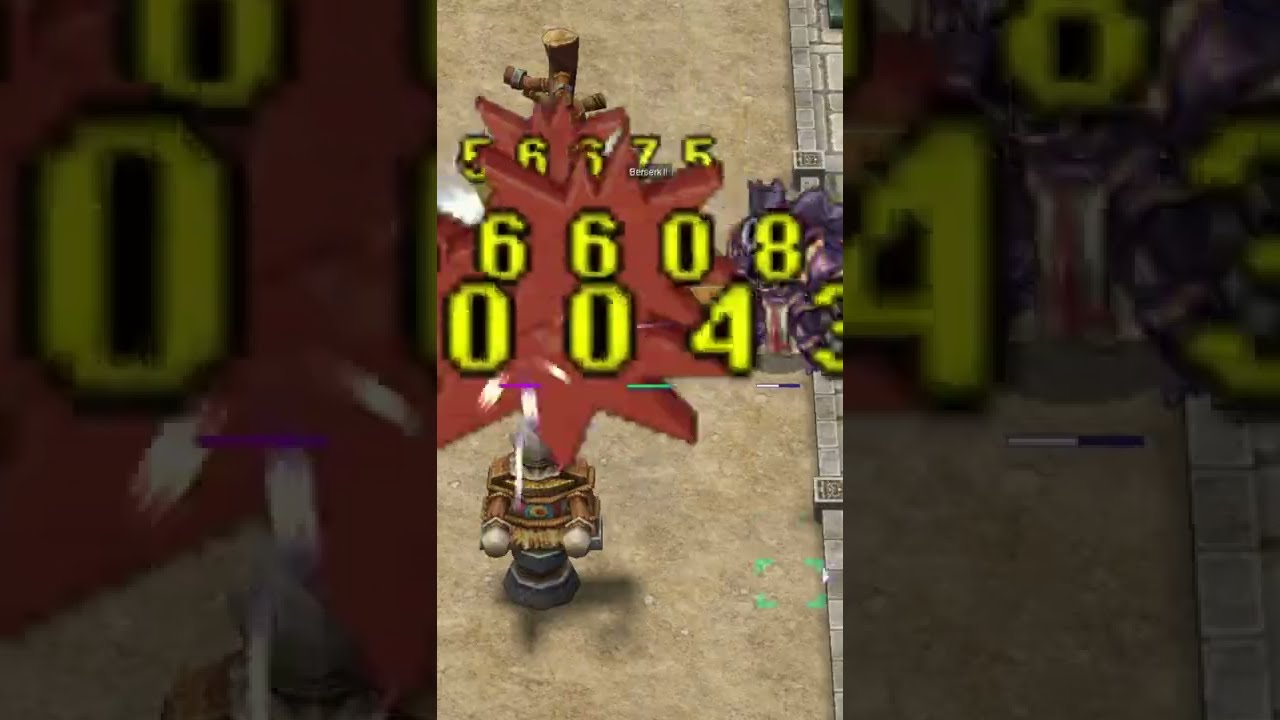
Use WoE-adjacent events to experiment with balance. Because these are flagged as events, you can tweak rulesets without touching the main WoE. If a twist is loved, promote it to the core experience.
Economy-conscious events that don’t inflate
Giveaways feel good and wreck economies. The trick is to build reward structures that sidestep major currency inflation while still feeling generous.
Favor account-bound cosmetics, time-limited QoL buffs, and consumables that reduce future grind rather than multiply wealth. Title auras, stylist vouchers, pet reskin tickets, and short-duration drop rate tokens make people happy without dumping zeny. If you do introduce tradeable items, cap their supply via weekly purchase limits and varied sinks. I like currency sinks tied to vanity such as auctioned dyes, limited emotes, or a server hall of fame where guilds pay for a week of statue placement.
In one resource-driven season, we experimented with a token that vendors would accept at a premium instead of zeny, then used a lottery that burned those tokens at a fixed rate. The lottery contained only cosmetics and temp buffs. Over six weeks, players consumed 92 percent of the issued tokens, and we saw no noticeable zeny inflation. The lesson was simple: give players desirable non-power sinks and they will self-regulate.
Player creativity as content: fashion, housing, and showcases
RO’s charm includes fashion wars and social spaces. Tap into that with events that surface personal creativity.
Transmog and dye showcases. Rotate a monthly theme like “Forest Scout” or “Aristocrat of Rune-Midgard.” Require participants to submit a short description and a single screenshot taken at a designated in-game set, perhaps a dressed-up corner of Prontera. Let the community vote, but also include a jury prize to avoid pure popularity contests. Rewards can be camera frame effects, emote unlocks, or a limited chat bubble skin.
Guild base makeovers. If your server supports custom guild bases or decorated zones, host a two-week build jam where guilds receive a budget of decor items and must design around a prompt such as “Outpost under siege.” Stream walk-throughs on a weekend and invite judges from different playstyles. This deepens guild identity and gives you assets for social media.
Even if you do not have housing, you can simulate it. Mark a set of tiles in town for “stall decorations,” allow players to place temporary props or banners earned through events, and rotate them weekly. It creates a lived-in market vibe and gives fashionistas a stage.
Narrative breadcrumbs and scavenger trails
RO lore is often a backdrop. Event time is perfect for bringing it to the foreground through scavenger trails that weave through maps and NPCs. Short narrative arcs give solo and casual players something to chew on without requiring join peak gear.
A proven format is the three-act breadcrumb. Act one starts with an in-town NPC that mentions an odd rumor. Act two sends the player to a modest map and asks them to observe something rather than kill, such as counting torches or interpreting markings. Act three culminates in a small instance with a simple puzzle and a single elite mob. Keep the entire run under 30 minutes. The payoff is a story trinket with a tiny buff, a diary entry, or a piece of worldbuilding art.
If you run a Discord or forum, let players piece together hidden messages seeded in item descriptions or NPC dialogue. The first guild to solve a meta-puzzle could earn an in-world acknowledgment, like a plaque in town. These light-touch narrative layers create that “there’s always something to discover” feeling that keeps weekend players around.
The social meta: events that make people talk
Some of the most effective events have minimal code and maximum conversation. A few small interventions create big chatter.
Serverwide predictions. Before a WoE or MVP weekend, invite predictions. Which guild claims X castle? Which MVP dies most? Charge a trivial entry fee, then split the pot as raffle prizes among correct predictors. It turns spectators into participants and generates memes.
Mentor lotteries. Pair veterans with newcomers for a week through an opt-in system. The pair earns points by completing simple tasks together: a dungeon run, a job change, a gear test. Put their names on a public board so the community can cheer them on. The payoff is a joint reward like a duo emote or a shared title that displays when they party together. It cements cross-generational ties.
Community radio. Give one trusted player a “DJ hat” for a weekend stream. They take song requests, read classifieds, announce MVP spawns, and interview guild leaders between events. Low-tech, high-comfort. The world feels noisy in the best way.
Technical scaffolding that saves staff time
Events fail when they depend on manual GM heroics every night. Build a toolkit of scripts and automations that handle the routine parts so staff can focus on human touches.
Consider a universal event currency that drops from event activities across formats. Route all rewards through one seasonal shop with clear expiry dates. It reduces one-off item maintenance and lets players cherry-pick what matters to them. Implement automated leaderboards for timed runs and kill counts. Public APIs or simple JSON endpoints let the community build dashboards and widgets, saving you dev time.
Create a library of reusable map states. A night festival version of Prontera with lanterns, a “storm” version of Payon with occasional lightning, and a winterized Morroc you can swap in. Flip a switch at the end of a community goal and the world feels transformed without new maps.
If your staff is small, schedule events in weekly blocks that repeat every season with minor twists: Tuesday puzzle rush, Thursday small-squad gauntlet, Saturday WoE twist. Announce the cadence, then rotate themes and modifiers so it never feels stale.
Fairness, safeguards, and transparency
Private servers attract players precisely because they expect hands-on admin involvement. That cuts both ways. Events must be fair and must be seen to be fair.
Publish clear rules for participation, alt limits, and exploit handling. If you disqualify a team for macro use or third-party tools, say so succinctly, then move on. Keep logs of submissions for events like bingo or speed runs and make them audit-friendly. When you change an event mid-run for balance, offer make-goods quickly. It buys goodwill.
Soft anti-cheat works too. For time trials, include randomizable checkpoints that display a unique phrase players must screenshot or trigger with a click. For currency turn-ins, mark items with event stamps to prevent dupes from older versions. None of this is foolproof, but layered friction keeps events healthy.
Handling different server types
A low-rate classic server with cautious players needs a different event palette than a high-rate pre-renewal PvP bloodbath. Tune accordingly.
Low-rates thrive on long arcs and tiny rewards that feel era-appropriate. Lean on narrative scavenger hunts, community goals with cosmetic unlocks, and WoE-adjacent skirmishes that do not eclipse core WoE castles. Avoid large XP bonuses or fast-track items that break the grind fantasy.
Mid-rate servers benefit from variety and mid-depth mechanics. Rotate gauntlets, MVP bingo, and seasonal shops. Experiment with hybrid PvPvE modes like resource escort runs where rival teams can steal cargo outside towns.
High-rates can go wild with spectacle. Rapid-fire boss rushes, map-wide modifiers every hour, chaotic minigames with leaderboard resets. Rewards should be almost entirely cosmetic since gear power saturates quickly. Focus on showmanship and streamability.
Renewal servers, with their different balance and mechanics, are excellent candidates for build-diverse events. Use stat-normalized zones, skill-specific challenges, and elemental rotations that highlight Renewal’s nuance.
Marketing your events without burning out your audience
Over-communication can numb players. Under-communication leaves them guessing. The sweet spot is a predictable calendar, a single weekly digest, and a short reminder on the day.
I like the three-layer approach. Layer one is a permanent web calendar and in-game bulletin with this month’s highlights. Layer two is a Sunday digest post with the week’s schedule, reward previews, and tips, kept to 300 to 500 words. Layer three is a same-day ping 30 to 60 minutes before kickoff with one striking image or line. Sprinkle in occasional GM teasers: a blurred screenshot of a new arena, a line of NPC dialogue from the upcoming story. Resist daily hype posts that train players to ignore you.
Finally, package event results. A Monday morning post celebrating the MVP bingo winners or the fastest gauntlet team becomes social proof for future participants. Tag guilds and players when appropriate. People play RO partly to be seen.
What to reward, and what to hold back
Players remember how events made them feel more than what they received, but the right rewards sustain participation. A tiered approach works well:
Common baseline. Small currency payouts, consumables, and temporary buffs for showing up and trying. These ensure casuals feel respected.
Skill recognition. Titles, auras, map effects, or statue placements for top performers. Public, non-tradeable, and time-limited, so the board resets for the next season.
Long-term collectors. Event-only cosmetic sets that rotate annually. Do not reissue exact items, but release variants that honor veterans without FOMO cruelty. Offer a legacy dye or emblem for those who own past versions.
Server identity. Rewards that reference your server’s in-jokes and history. A pet named after a notorious MVP stealer who redeemed himself, or a looping dance emote from a famous wedding in town. These anchors make your world feel different from the next server over.
Avoid permanent, tradeable stat sticks and high-value consumables that distort the economy. If you must introduce them, tie them to long grinds with caps rather than random jackpots.
A sample month that balances depth and pace
Week one, kick off a seasonal arc with a community goal and a light micro-event presence. Release an easy narrative breadcrumb and a small-squad gauntlet with open entry.
Week two, add MVP bingo and rotate the gauntlet modifier. Run a Friday Town Crier session at two time windows. Announce a fashion showcase submission deadline for Sunday.
Week three, run a Frontier Skirmish mini-WoE with rookie stipends and a one-day ecology shift for MVPs. Publish mid-season standings for the arc and highlight newcomers in a social post.
Week four, close out with a puzzle-rich instance and a community forge finale that flips an art change in town for a week. Host a stream that tours fashion winners and guild base highlights. Announce next month’s theme with a single evocative screenshot.
This cadence hits all player types without demanding nightly attendance. It threads low-friction fun with deeper challenges and keeps the economy stable.
Metrics that matter
If you can measure it, you can improve it, but choose metrics that reflect community health. Track daily returning player percentage, not just peak concurrency. Watch party formation rates and average party size during event windows. Compare WoE attendance week over week, but also the number of unique participants with accounts under 60 days. For economic sanity, monitor zeny velocity, shop stock of key consumables, and price stability before and after events.
Run short post-event polls with three questions max. One server found that asking “Would you play this again next month?” was the single best predictor of what to keep. Honor your data, but listen to anecdotes too. RO is a game of stories as much as numbers.
The human touch that no script can fake
Good events show that someone cares. A GM dropping by to cheer a rookie party after a wipe does more than another 5 percent boost. A hand-written in-game letter congratulating a guild for their first castle means more than any aura. I still remember the time a GM on a small server spawned a parade of Porings that led us to a surprise photo set. No grand prize, just laughter and screenshots. It bought the server a month of goodwill.
Design your events so the system runs itself, then spend your energy on those small gestures. Learn player names. Remember rivalries. Reference them in NPC dialogues. That is the difference between a private server and an amusement park.
Final thoughts for operators
Build a cadence with seasonal arcs and micro-events. Mix PvE knowledge tests with MVP structure and WoE twists that lower the barrier to entry. Protect the economy with cosmetic-forward rewards. Invest in tools that automate the boring parts, then show up with warmth and fairness. If you do, your players will give you something you cannot script: a community that logs in to see each other as much as the content.
The best RO servers feel like bustling towns, not just maps. Events are how you light the lanterns, open the market stalls, and fill the square with music, again and again, long after the novelty wears off.